Article: Nature's Most Versatile Moisturizer: Glycerin (Glycerol)
Nature's Most Versatile Moisturizer: Glycerin (Glycerol)
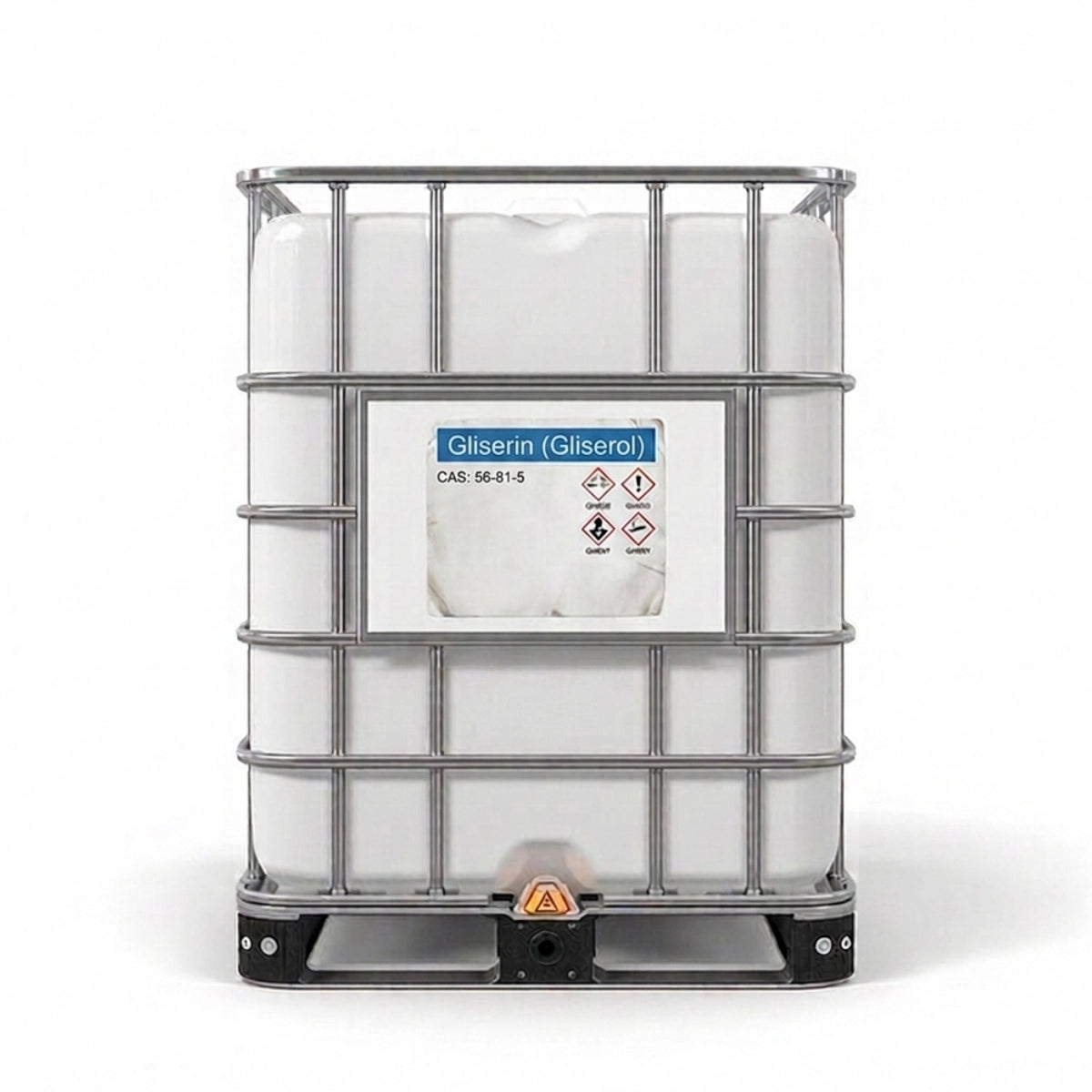
One of the most frequently encountered ingredients when browsing cosmetic aisles, on food labels, or in the list of industrial raw materials is undoubtedly Glycerin. Known chemically as Glycerol, it is considered one of the most versatile and indispensable liquid raw materials in industry, thanks to its natural structure and unique physical properties.
So, what exactly is this widely used glycerin, what are its distinguishing features, and what critical roles does it play in various industrial processes? In this article, we delve into the chemical structure and extensive applications of glycerin.
What is Glycerin? (Chemical Properties)
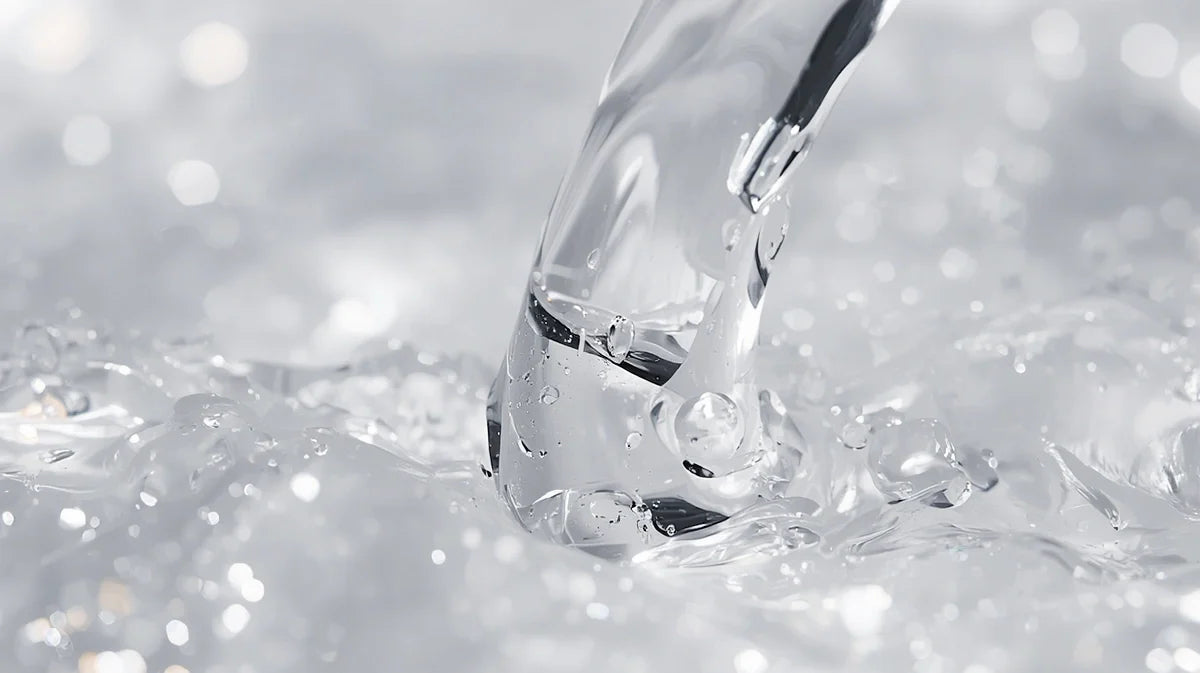
Chemically, glycerin is a trialcohol (polyol) containing three hydroxyl (−OH) groups. It has a clear, colorless, odorless, viscous, syrupy, and sweet-tasting liquid structure. Naturally found in the structure of vegetable and animal fats (triglycerides), it can be obtained as a byproduct of saponification or biodiesel production reactions, and can also be produced synthetically.
Its most important distinguishing feature is that it is a superior humectant (moisture-attracting agent), capable of binding much more water molecules than its own weight.
-
Chemical Formula: C3H8O3 or CH2OH−CHOH−CH2OH
-
Molar Mass: 92.09 g/mol
-
Density: 1.26 g/cm3
-
Boiling Point: 290 °C
-
Solubility: Perfectly miscible with water and alcohol in all proportions, but insoluble in oils.
Key Applications of Glycerin
Glycerin's non-toxic nature, sweet aroma, and moisture-retaining capabilities make it a key formulation ingredient in numerous industries:
1. Cosmetics and Personal Care Industry
When glycerin is mentioned, skincare is the first area that comes to mind. It plays a leading role in the formulas of creams, lotions, shampoos, shower gels, and toothpastes.
-
Skin Barrier Protection: It draws moisture from the air and locks it into the skin, preventing dryness and maintaining skin elasticity.
-
Soap Production: Glycerin soaps are premium products with a clear texture suitable for sensitive skin, as they do not dry the skin due to their high moisturizing properties.
2. Food Industry (E422)
In the food sector, it is used as a humectant, solvent, and sweetener with the additive code E422.
-
It prevents dried fruits, cakes, and bakery products from drying out, extending their shelf life and maintaining freshness.
-
It is used as a thickener and flavor profile regulator in liqueurs, ice creams, and confectionery.
3. Pharmaceutical and Medical Sector
Pharmaceutical-grade glycerin is frequently preferred in medical formulations.
-
In cough syrups to soothe the throat and reduce irritation,
-
As a solvent and consistency-enhancing base in ointments, capsules, and ear drops,
-
As an active ingredient in moisturizing suppositories and some medical lubricants.
4. Industrial and Technical Applications
-
Printing and Textile: Plays a role in preventing inks from drying and imparting softness to fabrics.
-
Plastics and Resins: An important building block in the synthesis of polyurethane foams and alkyd resins (paint raw material).
-
Antifreeze: Due to its non-toxic nature, it is preferred as a safe antifreeze alternative in cooling systems in food processing facilities.
Choosing the Right Glycerin: Vegetable vs. Synthetic?
Choosing the correct type of glycerin according to your intended use is crucial for the quality of your final product. Two main classes stand out in the market:
-
Vegetable Glycerin (VG): Typically derived from palm, soy, or coconut oils. It is the most preferred type in the cosmetic, food, and pharmaceutical industries due to its natural and safe properties.
-
Technical / Synthetic Glycerin: Purified from petroleum derivatives or industrial byproducts. It is generally used in the production processes of plastics, paints, tobacco, or technical chemicals.
Reliable Glycerin Supply for Your Production
Selecting glycerin with the correct purity grade (USP/EP Pharmaceutical or Technical Grade) is critical to maintain the moisture balance of your products, extend shelf life, and ensure the highest formulation quality. Our company continuously meets your raw material needs in production processes with the supply of high-purity vegetable and technical Glycerin in compliance with international standards.
You can contact our expert sales team at any time for glycerin solutions suitable for your industry, quality certificates (TDS / MSDS), and proforma invoice requests.