

The Industry's Powerful Solvent: What is Trichloroethylene (TCE)?
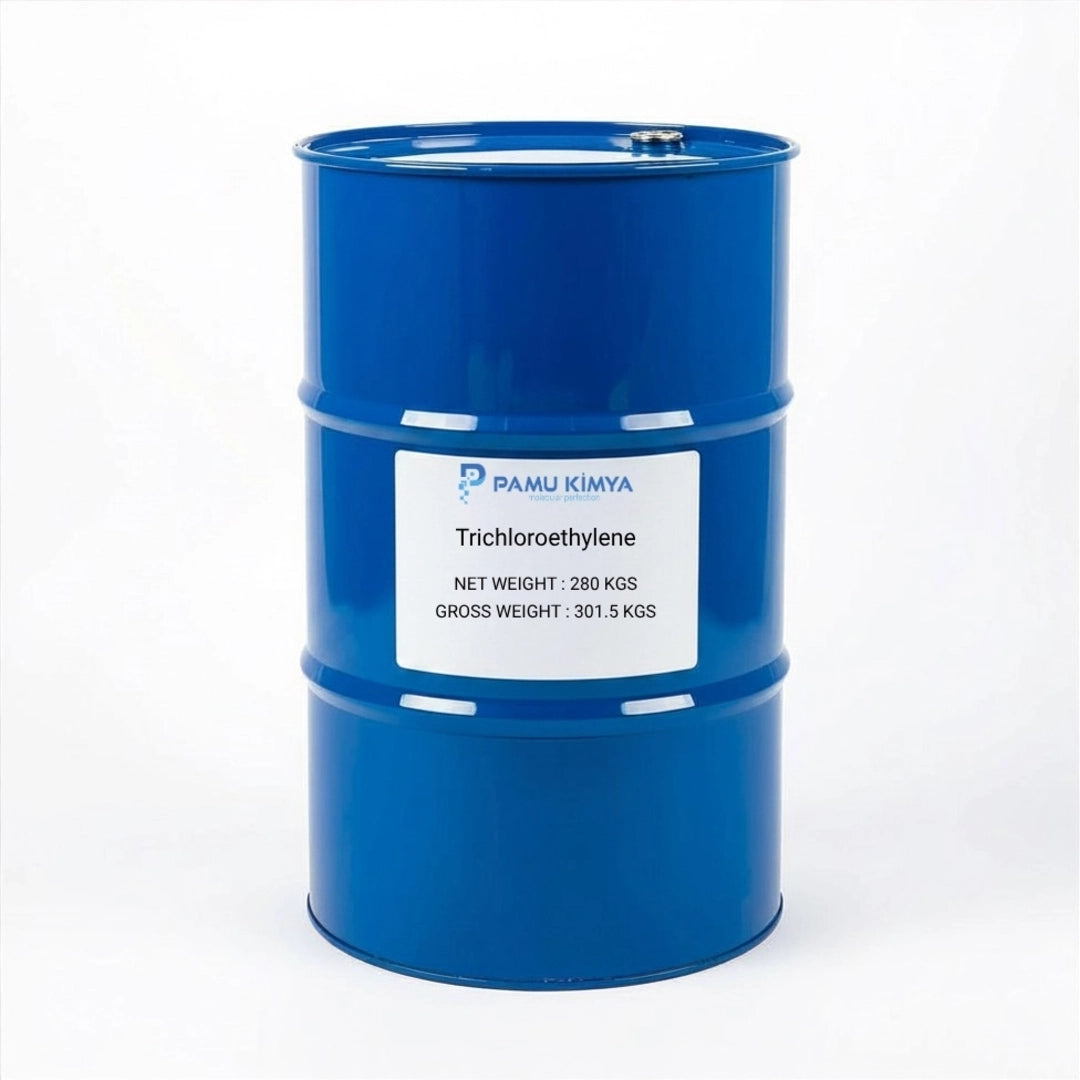
In modern manufacturing processes, especially when it comes to cleaning and degreasing metal surfaces, Trichloroethylene (TCE) plays an indispensable role. This colorless, volatile, and non-flammable liquid, with the chemical formula , is known for its distinct sweet odor.
So, what makes this compound so industrially significant? Here's a comprehensive guide to what you need to know about TCE.
1. Chemical Structure and Properties of Trichloroethylene
TCE belongs to the chlorinated hydrocarbon family. Its biggest advantage over many other organic solvents is that it has no flash point. This makes it a safe alternative for factories where there is a risk of fire.
-
Molecular Weight: 131.39 g/mol
-
Boiling Point: 87.2 °C
-
Density: Heavier than water (approximately 1.46 g/cm³).
-
Solubility: Slightly soluble in water but perfectly compatible with organic substances like oils, resins, and rubber.
2. Key Applications
TCE's versatile nature makes it a "hidden hero" in many different industries:
-
Metal Industry (Degreasing): Its most common use is cleaning grease, oil, and dirt from metal parts. It provides excellent results in vapor degreasing machines.
-
Chemical Raw Material: Used as an intermediate in the production of fluorocarbon refrigerants.
-
Textile and Dry Cleaning: Preferred for removing stubborn stains and in fabric processing.
-
Consumer Products: While common in adhesives and paint removers in the past, it is now primarily found in professional industrial formulations.
3. Safety and Environmental Approach
As a chemical company, transparency and safety are our priorities. TCE is a powerful solvent that must be managed with care.
Important Note: TCE is classified as "carcinogenic to humans" (Group 1) by the IARC (International Agency for Research on Cancer). Therefore, strict rules must be applied when using it.
-
Ventilation: As TCE is a volatile substance, working areas must have very powerful extraction systems.
-
Personal Protective Equipment (PPE): Viton or polyvinyl alcohol-based gloves and respiratory masks should be used.
-
Storage: It should be stored in cool, dry areas away from direct sunlight, in tightly sealed containers.
4. Future and Alternatives
With tightening environmental regulations (REACH, etc.) worldwide, TCE use is becoming more controlled. Many businesses are switching to closed-loop systems to minimize emissions or opting for more environmentally friendly aqueous cleaners.
However, for heavy oil removal and certain delicate manufacturing processes, TCE's speed and efficiency remain unrivaled.
Conclusion
Trichloroethylene, when used with proper technical infrastructure and safety measures, is a force that maximizes industrial efficiency. You can always contact our expert team to choose the right product for your chemical processes and optimize safety standards.



%20plays%20an%20indispensable%20role.%20This%20colorless,%20volatile,%20and%20non-flammab...)