Purity in Chemical Products
Why Is Purity Important in Chemical Products?
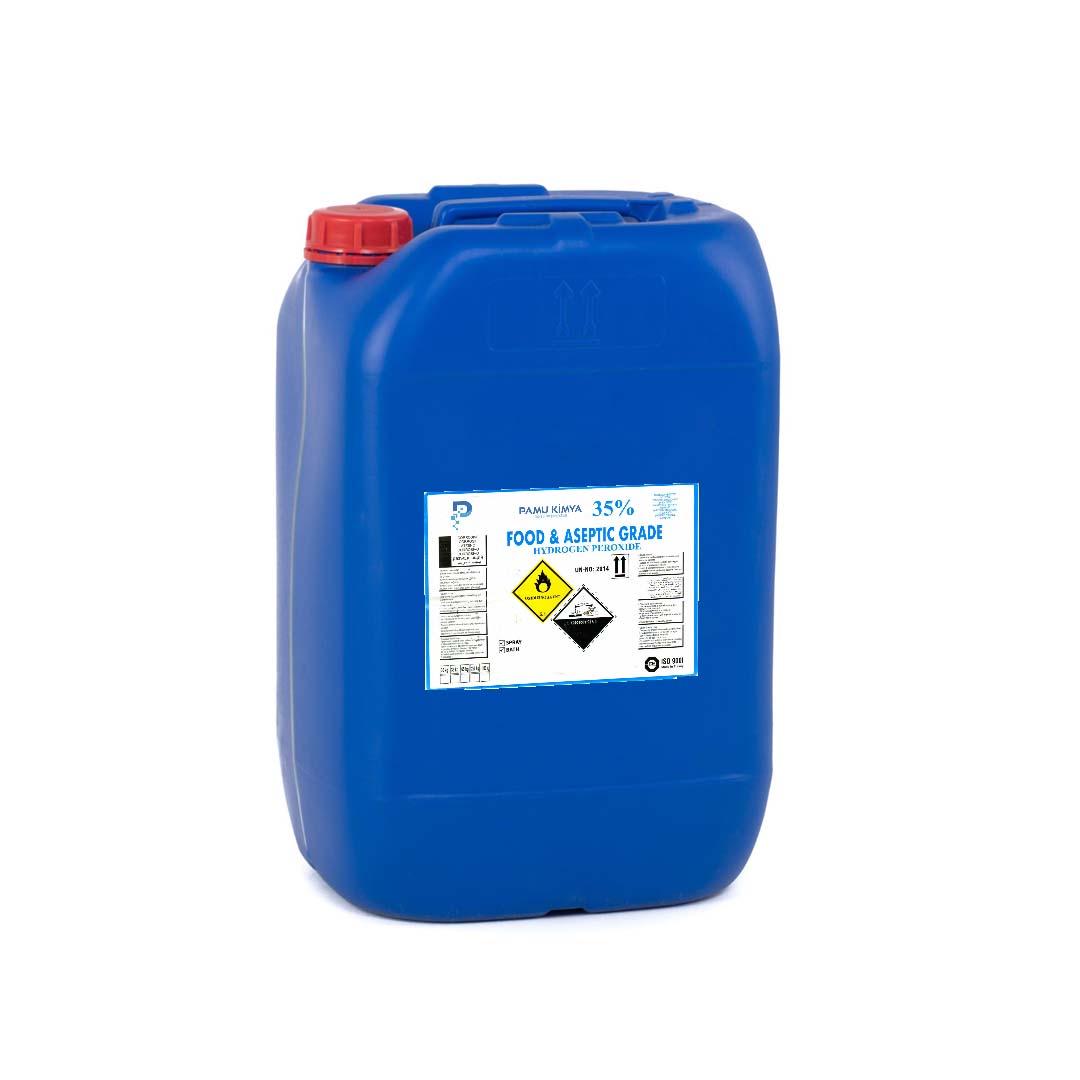
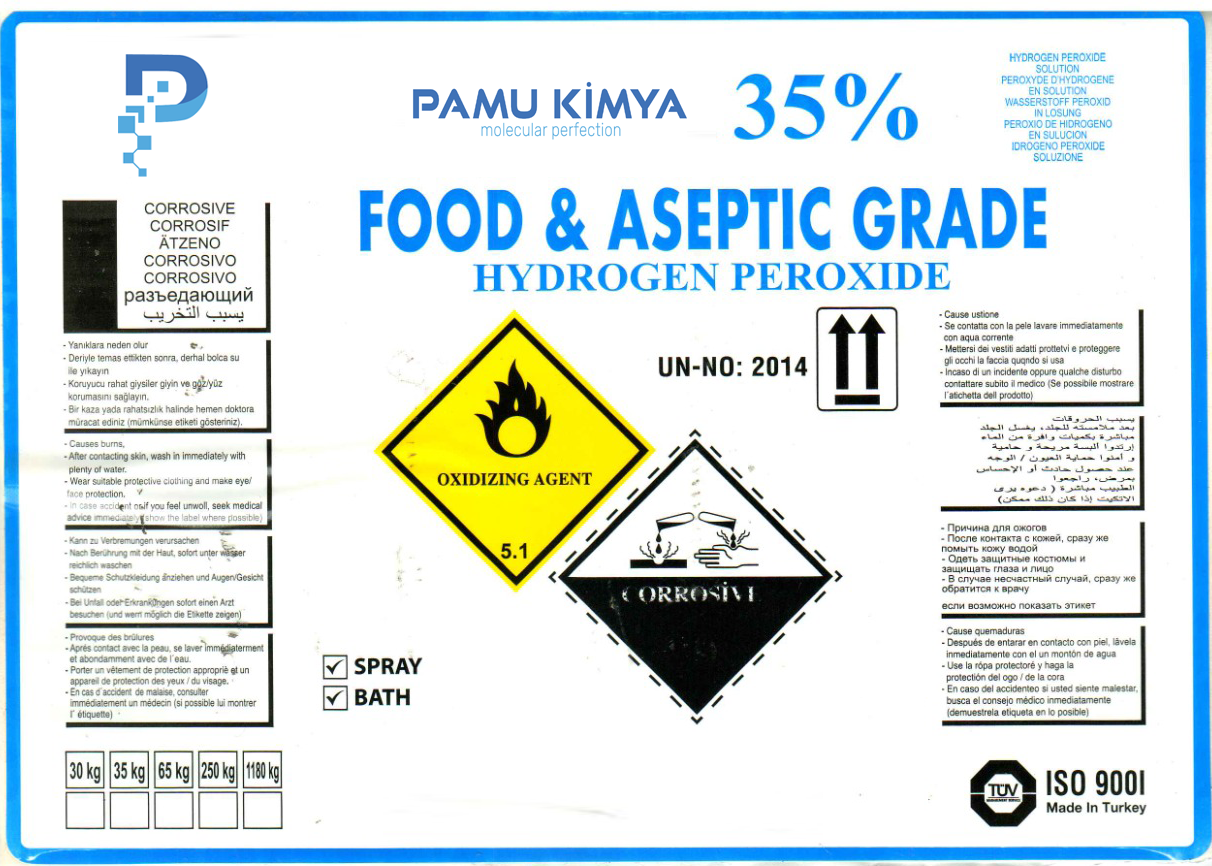
In the chemical industry, one of the most critical factors determining a product's quality is its purity. Purity refers to the percentage of the main component present in a chemical substance. The higher this ratio, the more stable, reliable, and predictable the product's results.
Especially in industrial production, cosmetics, pharmaceuticals, and export processes, purity directly affects many areas, from product performance to human health.
What Is Purity?
Purity indicates how clean a chemical substance is, meaning it is free from undesired by-components, impurities, or foreign matter.
For example, in a 99% pure chemical, 99 out of 100 units are the main substance, while in a 95% pure chemical, 5 units are undesirable by-products. These seemingly small differences can lead to significant outcomes, especially in sensitive productions.
Directly Affects Product Performance
Chemicals with low purity can slow down reactions, fail to produce the expected results, and lead to fluctuations in production. High purity, on the other hand, ensures standard and repeatable results, less waste, and a more controlled production process. This is critically important, especially for acids, solvents, and active raw materials.
Importance for Human Health and Safety
Impurities found in chemical products can be irritating, allergenic, or toxic substances. In chemicals that come into contact with cosmetics, pharmaceuticals, and food, low purity poses serious health risks. Therefore, high purity is not only a matter of quality but also an ethical and legal requirement.
International Standards and Regulatory Compliance
In export countries, SDS (MSDS), technical specifications, and certificates of analysis are examined in detail. Low or uncertain purity levels can lead to issues such as product rejection at customs, shipping delays, and loss of commercial reputation. Therefore, documented purity in chemical products is of great importance.
Impact on Production Costs
Low purity means higher raw material consumption, additional purification processes, and increased maintenance needs for production lines. High-purity products, however, allow for working with smaller dosages, stable processes, and lower total costs in the long run.
Choosing the Right Supplier
Purity is directly related not only to the product but also to the supplier. Reliable suppliers provide clear technical documents, batch-specific analysis reports, and maintain product standards. This allows businesses to plan their production processes with confidence.
Conclusion
Purity in chemical products is a fundamental criterion for product quality, human health, production efficiency, regulatory compliance, and brand reliability. Therefore, when procuring chemical products, not only price but also purity and quality standards must be taken into account.